
How Secure API Authentication Should Work
A practical guide to validating API credentials, separating identity from permissions, and testing the full authentication lifecycle.
Read featured article → Contact Blueleaf
BLUELEAF INSIGHTS
Practical articles from Blueleaf on software development, engineering, and application security.
16 published articles
A practical guide to validating API credentials, separating identity from permissions, and testing the full authentication lifecycle.
Read featured article →
CVE-2026-129448 is a critical unauthenticated deserialization flaw in Apache Roller’s XML-RPC endpoint. Apache reports active exploitation; upgrade to 6.1.6 or later and investigate exposed systems.
Read article →
Microsoft Outlook zero-day CVE-2026-124194 is an actively exploited spoofing vulnerability that can expose NTLMv2 authentication information when users open specially crafted Outlook message files. With a CVSS score of 6.5, the vulnerability affects Microsoft 365 Apps for Enterprise, Office LTSC 2021 and Office LTSC 2024. Learn how the exploit works, which versions are affected, and how to protect your organization with Microsoft's security updates and practical mitigation steps.
Read article →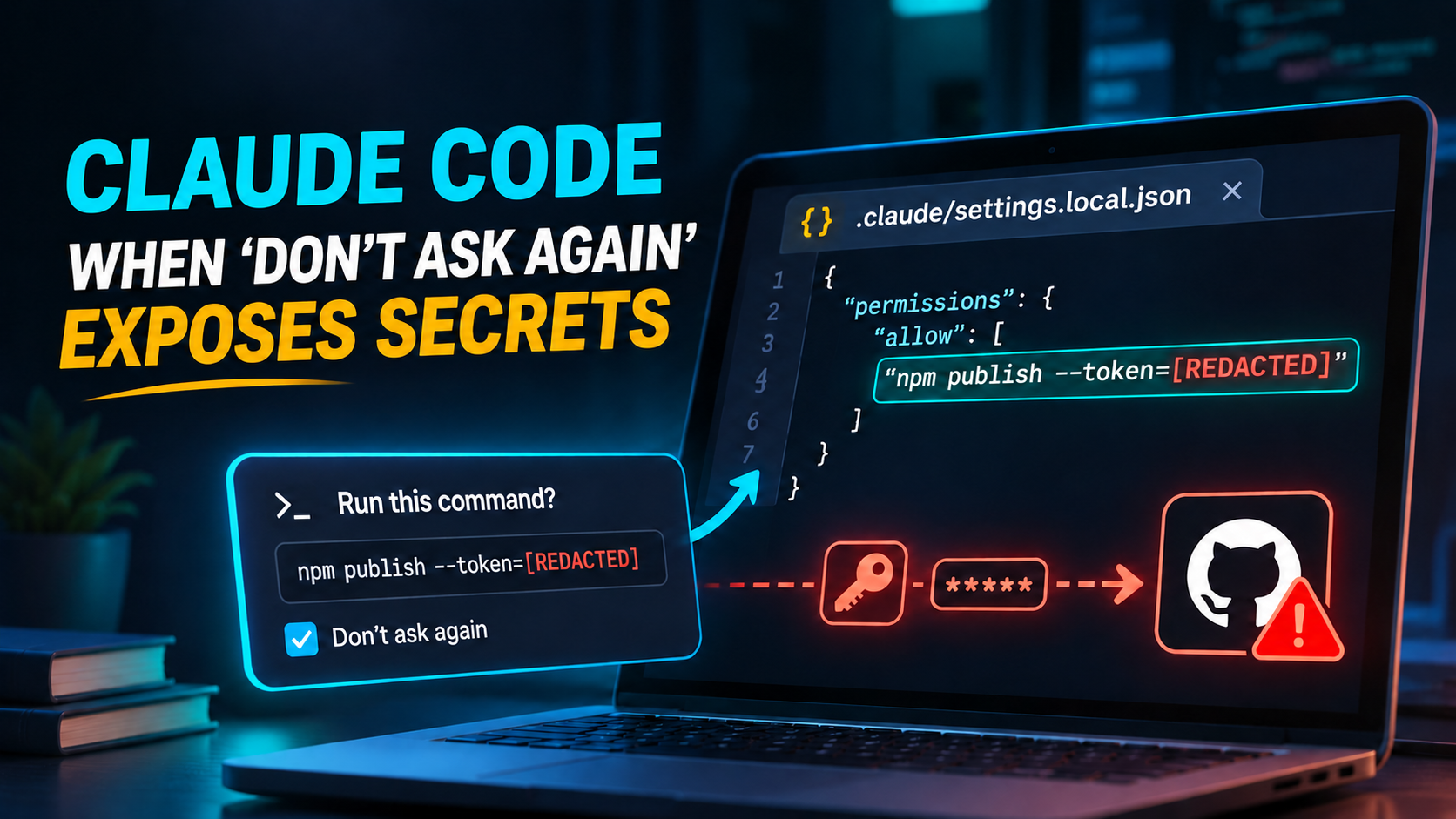
A security investigation found passwords, API tokens and cloud credentials inside public Claude Code settings files. Learn why the “Don't ask again” permission can create a secret-exposure risk and how developers should audit and protect their repositories.
Read article →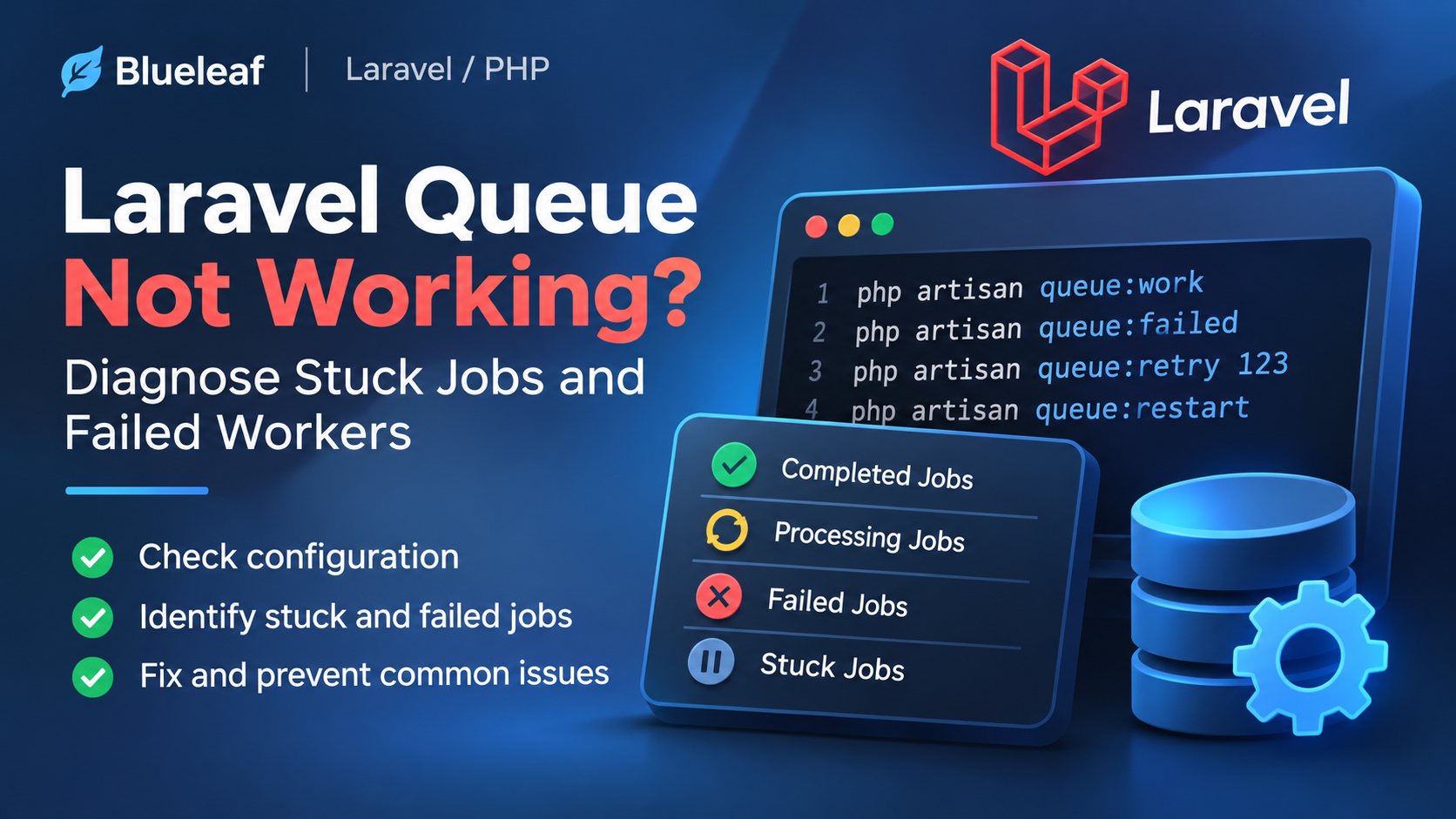
Trace stuck or failed Laravel jobs from dispatch through the queue backend and worker, then apply a safe, version-aware fix.
Read article →
CVE-2026-97229 is a critical CVSS 10.0 GitLab vulnerability that can allow unauthenticated remote code execution through a specially crafted CI/CD regular expression. Learn how the vulnerability works, which GitLab versions are affected, how to patch self-managed installations, and what to check if your server was exposed.
Read article →
Node2Shell (CVE-2026-111497) is a high-severity Node.js Brotli decoder vulnerability that can cause memory corruption and potentially remote code execution. Learn how the flaw works, which Node.js versions are affected, and how to fix it.
Read article →
PHP’s October 21, 2026 security releases fix two critical runtime flaws that can enable unauthenticated remote code execution. Learn how to identify exposure, patch the PHP service, and verify every runtime.
Read article →
Map OWASP Top 10:2021 to 2025 without losing the SSRF, authorization, supply-chain, logging, and failure-path tests that still matter.
Read article →
Secure an LLM feature by tracing untrusted input to data and tools, enforcing permissions in application code, and testing failure paths.
Read article →