Application security
Understand security concepts and how they relate to the software people use and maintain.
Explore published articles → Contact Blueleaf
SOFTWARE ENGINEERING & APPLICATION SECURITY
Blueleaf is a technical publication for people who build and maintain digital products, with clear writing on software engineering and application security.
WHAT YOU'LL FIND
Explore practical explanations and perspectives grounded in the topics Blueleaf publishes.
Understand security concepts and how they relate to the software people use and maintain.
Explore published articles →Read about development practices, architecture, and the decisions behind dependable software.
Browse the blog →Find focused explanations designed to help technical readers learn, evaluate, and keep building.
How Blueleaf approaches content →START HERE
Start with the latest published article, explore the blog by topic, or learn what this publication covers.
LATEST ARTICLE
CVE-2026-129448 is a critical unauthenticated deserialization flaw in Apache Roller’s XML-RPC endpoint. Apache reports active exploitation; upgrade to 6.1.6 or later and investigate exposed systems.
Read the latest article →FEATURED KNOWLEDGE
A small selection of recent articles from across the current published library.

A practical guide to validating API credentials, separating identity from permissions, and testing the full authentication lifecycle.
Read article →
CVE-2026-129448 is a critical unauthenticated deserialization flaw in Apache Roller’s XML-RPC endpoint. Apache reports active exploitation; upgrade to 6.1.6 or later and investigate exposed systems.
Read article →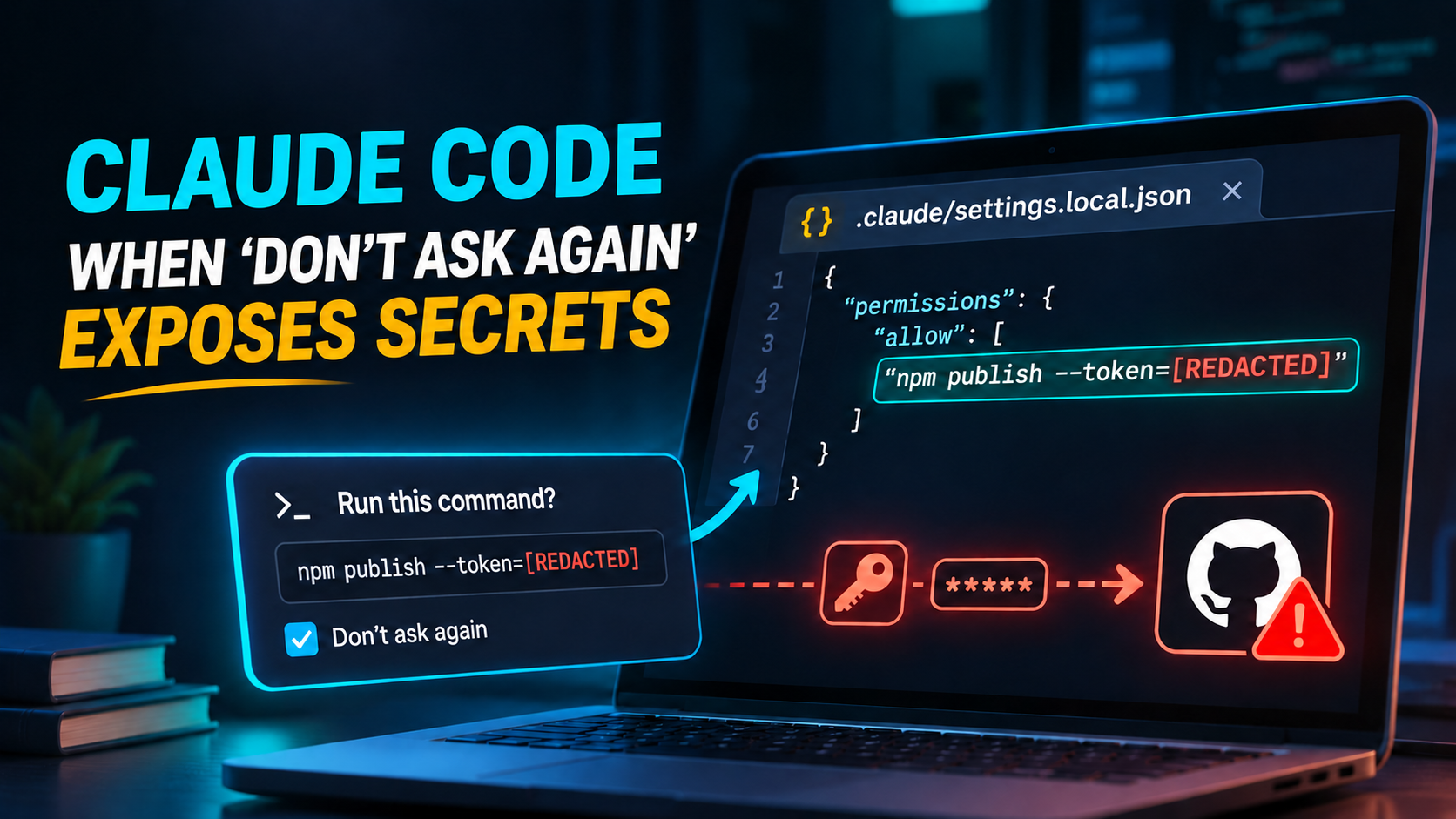
A security investigation found passwords, API tokens and cloud credentials inside public Claude Code settings files. Learn why the “Don't ask again” permission can create a secret-exposure risk and how developers should audit and protect their repositories.
Read article →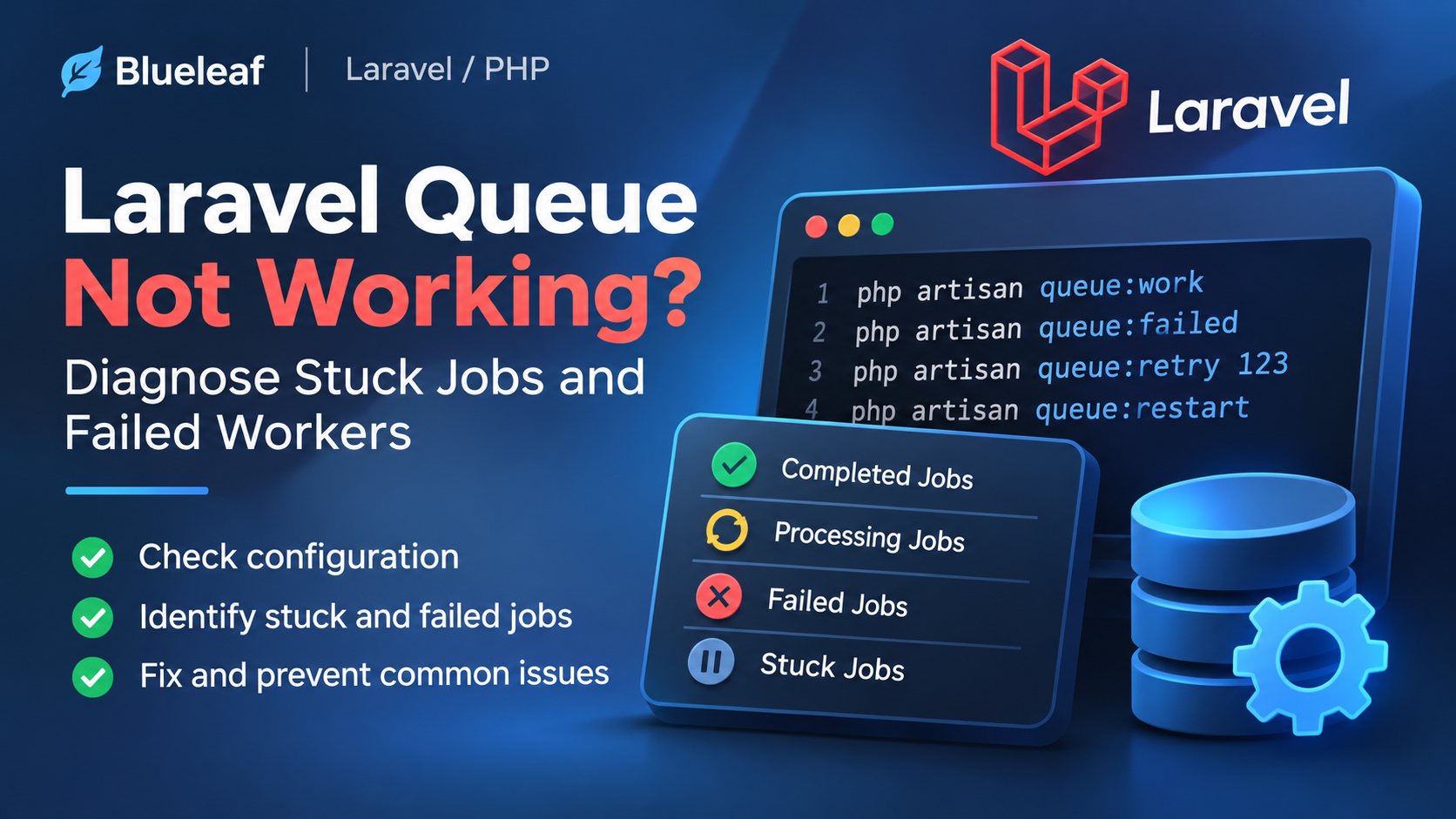
Trace stuck or failed Laravel jobs from dispatch through the queue backend and worker, then apply a safe, version-aware fix.
Read article →No featured articles are filed under this category.
FROM WEAKNESS TO IMPACT
A weakness creates risk; exploitation and impact depend on the system, its controls, and how it is used. Here is one illustrative API example.
An endpoint accepts a record ID but does not verify that the signed-in person may read that record.
A caller changes the ID and asks for another record. This may work if authorization is missing.
If access succeeds, information could be disclosed. Logs and investigation help establish what happened.
Example only: this flow explains a common class of access-control failure. It does not describe a Blueleaf incident or prove that any particular system is vulnerable.
INCIDENT RESPONSE
NIST's current guidance treats incident response as part of broader cybersecurity risk management. Govern, Identify, and Protect support preparation; Detect, Respond, and Recover are the incident-response functions, with improvement informed by lessons across the work.
CLASSIFY THE ROOT CAUSE
Common Weakness Enumeration (CWE) is a community-developed catalog of software and hardware weakness types. It gives teams shared language for discussing the underlying cause of a security problem.
Record what the system does, the affected component, and the conditions needed to reproduce it.
Look for the design or implementation condition that allowed the behavior, rather than naming only its visible symptom.
Map only when the evidence supports it. CWE categories organize entries; they are not precise weakness mappings.
Address the cause, add a regression check, then consider whether the same weakness exists elsewhere.
A CWE match helps classify a root cause. Assessing whether a system is vulnerable still requires evidence about its code, configuration, exposure, and controls.
Read MITRE's CWE root-cause mapping guidance ↗QUICK ANSWERS
A condition in software, firmware, hardware, or a service that could contribute to a vulnerability in certain circumstances.
MITRE CWE glossary ↗No. A weakness may create risk, but exploitation and impact depend on the system and the circumstances. Evidence is needed to determine whether an incident occurred.
Explore Blueleaf security articles →Preparation, detection, response, recovery, and improvement belong within an organization's wider cybersecurity risk management.
NIST incident response overview ↗WHY THIS MATTERS
Software decisions shape how products behave, how people experience them, and how well they withstand mistakes and misuse. Blueleaf brings engineering and security into the same conversation so readers can build context as well as code.
Read Blueleaf articles →ABOUT BLUELEAF
Blueleaf shares articles about software engineering and application security. Readers can expect focused explanations, visible authorship, and links to related published material where it helps.
Learn more about Blueleaf →KEEP THE CONVERSATION OPEN
Blueleaf welcomes feedback about published content and the site.
Contact Blueleaf →